Common Signs of Termite Activity in Commercial Properties
To address common signs of termite activity in commercial properties, local contractors can identify issues early and provide effective termite control solutions to protect your investment.
Understanding the common signs of termite activity in commercial properties is essential for maintaining the integrity and value of a building. Property owners in the area may find it practical to familiarize themselves with these indicators to identify potential issues early. Recognizing subtle clues, such as discarded wings, mud tubes, or damaged wood, can help prevent costly repairs and minimize business disruptions. Local contractors specializing in commercial termite control are equipped to assess these signs and provide effective solutions, ensuring that properties remain protected from these persistent pests.
Staying informed about what to look for can empower property managers and business owners to take timely action. Since termite activity often develops quietly, being aware of the typical signs can make a significant difference in early detection. When signs are spotted, experienced service providers in the area can step in with targeted treatments to address the problem efficiently. Exploring this topic further can help ensure that commercial properties are safeguarded through professional termite control services tailored to the specific needs of each building.
- Commercial termite inspections - when signs of termite activity are suspected in a commercial property, local contractors conduct thorough inspections to identify potential infestations and advise on treatment options.
- Termite damage repair - if visible damage or weakened structural elements are found, service providers can assess the extent of the damage and recommend appropriate repair strategies.
- Preventive treatment plans - businesses noticing early signs of termite activity can work with local pros to develop ongoing pest management strategies to prevent future infestations.
- Moisture control services - when excess moisture is contributing to termite activity, local contractors can implement moisture reduction solutions to help mitigate the problem.
- Structural barrier treatments - in cases where signs of termite activity are detected, service providers can install physical or chemical barriers to protect the property from further infestation.
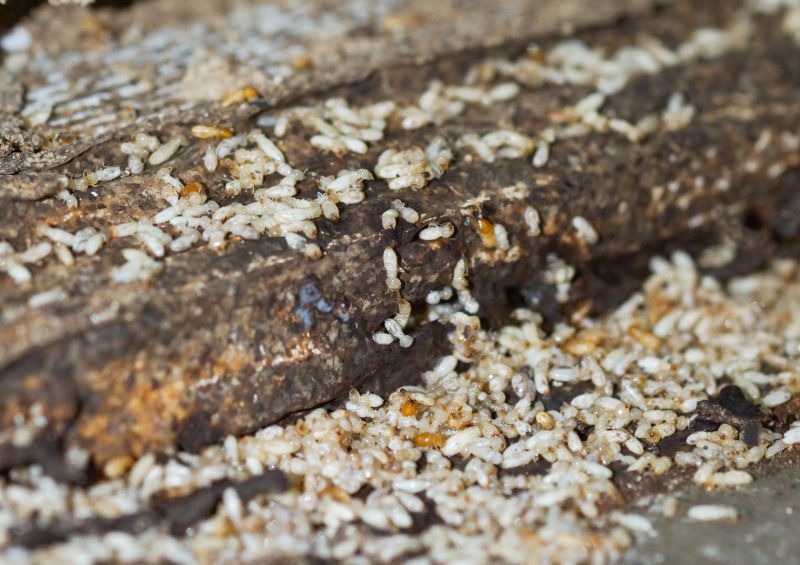
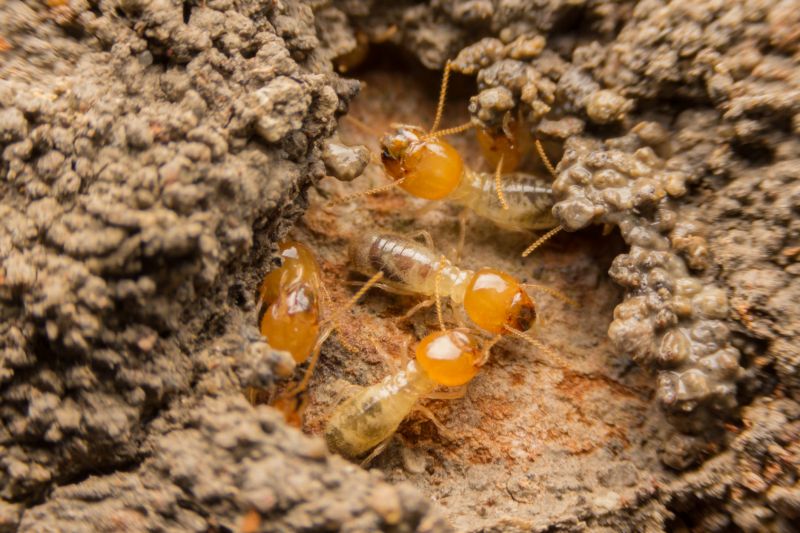
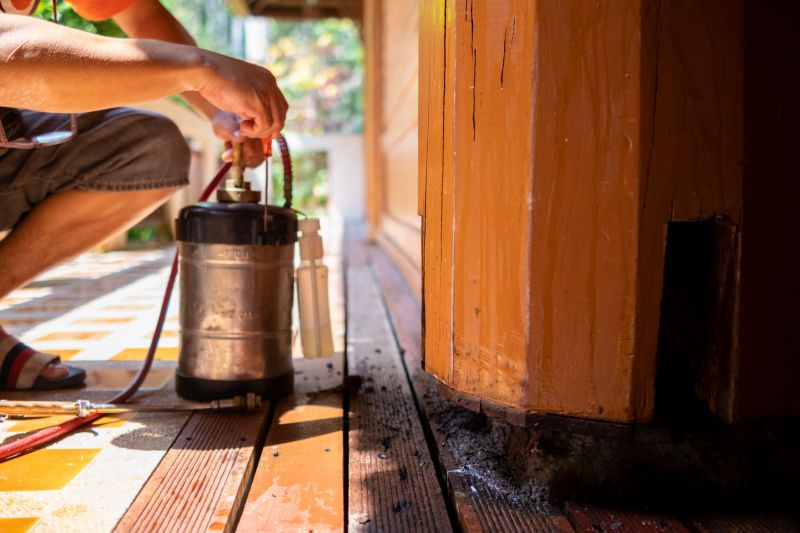
Understanding common signs of termite activity in commercial properties is essential for property managers, business owners, and facility managers who want to protect their investments. When searching for information on this topic, many are typically concerned about early detection to prevent extensive damage. Recognizing these signs can help identify a potential infestation before it causes structural issues or costly repairs. Commercial properties often have large, complex layouts, making it crucial to be aware of subtle indicators that termites may be present, such as unusual damage or activity around key areas like foundations, walls, or stored materials.
The problems associated with undetected termite activity often involve structural deterioration, compromised load-bearing elements, and increased maintenance costs. For property owners planning renovations or expansions, early detection can mean the difference between a manageable repair process and a major disruption. Commercial properties are frequently targeted because of their size and complexity, which can provide ample hiding spots for termites. Local service providers specializing in termite control can assist in developing a tailored approach to inspection and treatment, ensuring that signs of activity are identified promptly and addressed effectively.
Common signs of termite activity in commercial properties include the presence of mud tubes along walls or foundations, which serve as pathways for termites to travel between their colonies and food sources. Swarmers, or winged termites, may be seen around windows or light fixtures during certain times of the year, indicating a nearby colony. Wood damage that appears hollowed out or shows a honeycomb pattern is another clear indicator. Additionally, discarded wings near entry points or around the property can suggest recent termite activity. Recognizing these signs early allows property owners to engage local contractors who specialize in termite detection and treatment, helping to mitigate damage and protect the property's value.
In commercial properties, signs of termite activity can also manifest in less obvious ways, such as sagging or blistering drywall, peeling paint, or the presence of small holes in wood surfaces. These issues often result from internal damage that isn't immediately visible. Regular inspections by experienced local pros can help uncover these hidden signs before they escalate into serious problems. For property owners, understanding these indicators is vital for planning maintenance, pest management, or renovation projects. Connecting with local termite control specialists ensures that the property receives a thorough assessment and appropriate treatment, keeping the structure safe and functional over time.
Building inspection services - professionals who assess commercial structures for structural damage or infestations often identify signs of termite activity that require specialized treatment.
Pest control treatments - companies that handle various pest issues utilize similar tools and planning strategies to detect and eliminate termite colonies in commercial properties.
Structural damage assessment - experts who evaluate the integrity of commercial buildings are skilled at recognizing early indicators of termite-related damage.
Wood damage repair - contractors specializing in repairing wood structures often work alongside termite control specialists to address damage caused by termites.
Moisture management services - providers who control moisture levels in commercial buildings help prevent conditions conducive to termite activity, aligning with termite detection efforts.
Property maintenance services - maintenance professionals who monitor and preserve building exteriors and interiors are familiar with signs that may indicate termite presence.
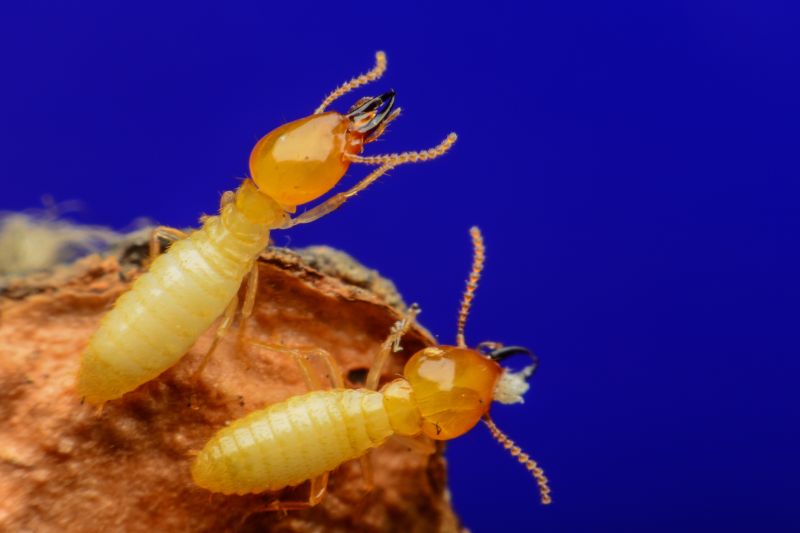
When evaluating service providers for addressing common signs of termite activity in commercial properties, it is important to consider their experience with similar projects. Contractors who have handled commercial termite control in environments comparable to the property in question are more likely to understand the specific challenges involved. An experienced local contractor can better identify subtle indicators of termite presence, such as damaged wood, mud tubes, or discarded wings, and develop an effective treatment plan tailored to the property's needs. Ensuring that a service provider has a track record of successful interventions in comparable settings can provide confidence in their ability to manage the situation efficiently.
Clear written expectations are essential when selecting a commercial termite control service. A reputable local contractor should be able to provide a detailed scope of work, outlining the steps involved in inspecting for signs of termite activity, the methods used for treatment, and any follow-up procedures. This transparency helps establish a mutual understanding of what the service will entail and prevents misunderstandings. When reviewing proposals or estimates, homeowners should look for documentation that clearly states the responsibilities of the contractor, the extent of the treatment, and any recommendations for ongoing monitoring or prevention.
Good communication and reputable references are key factors to consider when comparing local service providers. A reliable contractor will be responsive to inquiries and willing to answer questions about how they identify signs of termite activity and the options available for control. Obtaining references from previous commercial clients can offer insights into the contractor’s professionalism, reliability, and quality of work. Clear, ongoing communication throughout the process ensures that homeowners stay informed about findings, treatment options, and any necessary follow-up measures. Choosing a service provider known for transparency and strong customer relationships can contribute to a smoother, more confident experience in managing termite concerns.
Property owners often search for common signs of termite activity in commercial properties when they are planning practical projects around their homes and businesses. Local pros provide Commercial Termite Control services for everyday jobs and straightforward project options.
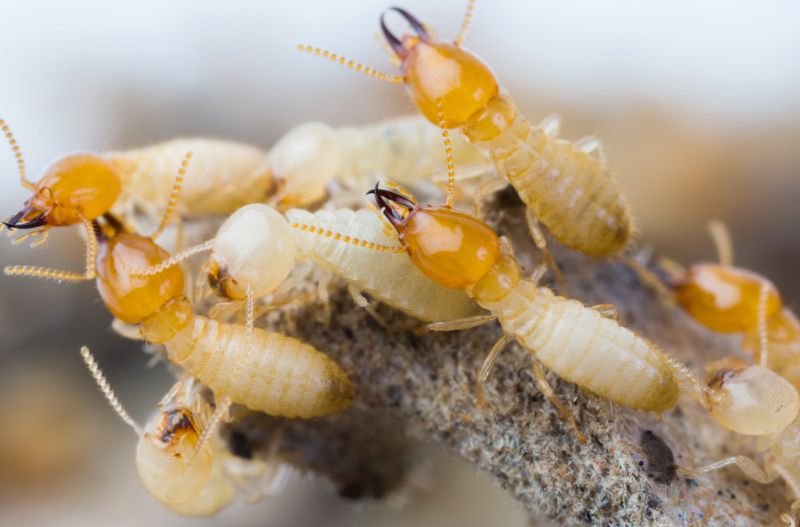

Recognizing common signs of termite activity in commercial properties can help property owners address potential issues early, minimizing damage and disruption. In everyday project situations, noticing small mud tubes along foundation walls, broken or discarded wings near entry points, or tiny holes in drywall or wood surfaces can indicate termite presence. These subtle indicators often go unnoticed until more significant damage occurs, making it important to stay vigilant and seek professional assessment when suspicious signs appear.
Property owners in the area might search for this information to better understand what to look for and determine if professional termite control services are needed. Local contractors who specialize in termite management can provide thorough inspections and effective treatment options. Connecting with experienced service providers ensures that any signs of termite activity are properly addressed, helping to protect the integrity of commercial buildings and prevent costly repairs down the line.
What are common signs of termite activity in commercial properties? Visible mud tubes, damaged wood structures, discarded wings, and hollow-sounding wood are typical indicators of termite presence that local contractors can identify during inspections.
How can I tell if termite activity is affecting my commercial building? Signs such as peeling paint, sagging floors, or small holes in walls may suggest termite damage, prompting local service providers to perform thorough evaluations.
Are there specific areas where termite activity is more likely to occur in commercial properties? Termites often target areas with wood-to-soil contact, moisture issues, or hidden spaces like basements, crawl spaces, and wall voids, which local pros are trained to inspect.
What types of damage do termites typically cause in commercial buildings? They can weaken structural beams, damage flooring, and compromise wall integrity, with local contractors able to assess and confirm the extent of the infestation.
When should property owners consider professional termite control services? Upon noticing signs such as mud tubes, wood damage, or swarmers, it’s advisable to contact local service providers for a comprehensive inspection and treatment options.
Recognizing wood damage - property owners can inspect wood structures regularly for signs of weakening or hollowed areas, encouraging professional assessment from local contractors.
Monitoring mud tubes - noticing small tunnels along foundation walls or support beams can prompt scheduling an inspection with local pros to evaluate for termite presence.
Checking for discarded wings - observing shed termite wings near entry points or vents can lead to arranging a thorough inspection by local contractors for effective treatment options.
Noticing bubbling or cracked paint - identifying unusual surface damage can motivate property owners to seek professional evaluation for early detection and control of termite activity.
If you are thinking about common signs of termite activity in commercial properties for a property, this guide is meant to help you understand this topic, the typical project types, and how different options might fit your plans.
When you are ready, you can use the quote form on this page to share a few details about your project. From there, local pros can review the basics and follow up with options that match what you have in mind.