Early Warning Signs of a Termite Infestation
Identifying early warning signs of a termite infestation helps homeowners protect their property, and local contractors can provide effective treatment to eliminate the problem.
Recognizing early warning signs of a termite infestation is essential for property owners who want to protect their investment and prevent extensive damage. These signs can often be subtle, such as discarded wings near windowsills, small holes in wood surfaces, or the presence of mud tubes along foundation walls. Being aware of these indicators allows homeowners and business owners in the area to take prompt action, potentially saving thousands in repair costs. Local contractors specializing in termite treatment are equipped to assess these signs accurately and recommend effective solutions to address the problem early on.
Exploring the early signs of termite activity can help property owners stay ahead of a potential infestation before it becomes more serious. Detecting issues early often means less invasive treatment and reduced disruption. Since local service providers are familiar with the common signs specific to the area, they can offer tailored advice and solutions to keep properties protected. Continuing to read can provide valuable insights into what to look for and how to connect with experienced professionals who can help manage and eliminate termite threats effectively.
- Termite Inspection - homeowners noticing mud tubes or damaged wood may need a professional inspection to confirm early signs of infestation.
- Wood Damage Assessment - when wood appears hollowed or shows blistering, local contractors can evaluate the extent of termite activity.
- Moisture Control Services - persistent moisture issues can attract termites; local pros can identify and address moisture problems that facilitate infestations.
- Early Warning Detection - spotting discarded wings or small holes in wood signals a potential problem, prompting a professional assessment to prevent further damage.
- Preventive Treatments - signs of termite activity can lead to proactive treatment plans from service providers to protect the property early on.
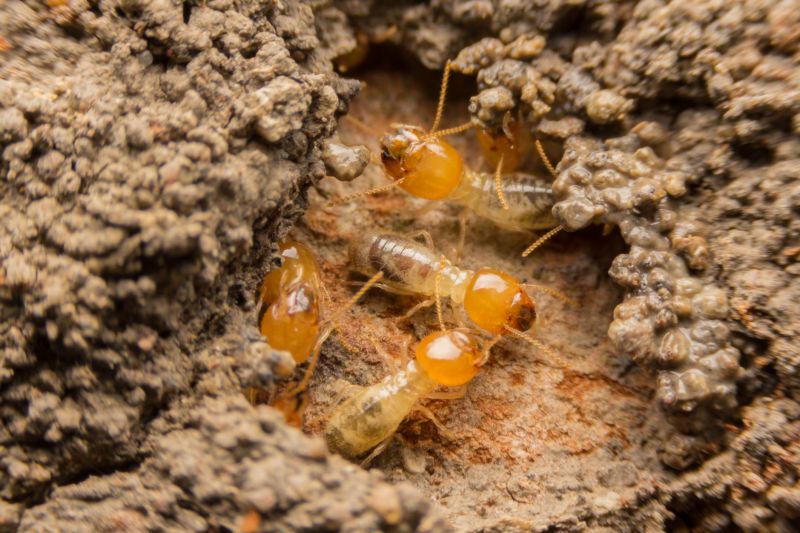
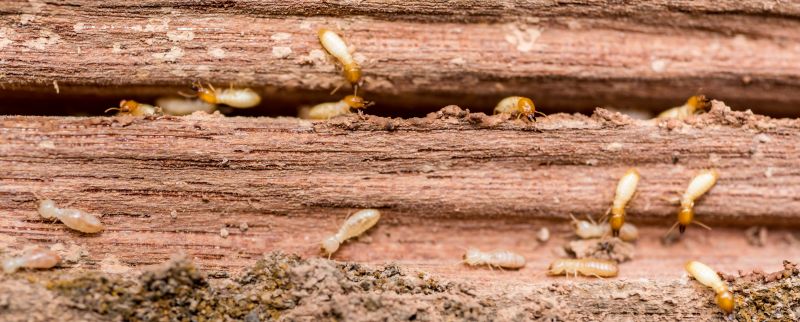

When searching for information on early warning signs of a termite infestation, homeowners are typically trying to identify potential problems before significant damage occurs. Recognizing these signs early can help prevent costly repairs and extensive damage to a property’s structure. People often connect this topic with ongoing home maintenance or planning pest control strategies. Understanding what to look for allows homeowners to take timely action, and many seek out local contractors who specialize in termite detection and treatment to address these concerns effectively.
This topic relates closely to issues involving property integrity and the need for proactive pest management. A termite infestation can weaken wood structures, damage flooring, and compromise walls, making early detection essential for preserving the value and safety of a home. Homeowners may be planning renovations, preparing for inspections, or simply trying to safeguard their investment. By being aware of the early warning signs, they can better coordinate with local service providers who are experienced in identifying and treating termite problems, ensuring that professional assessments and remedies are implemented promptly.
Certain types of properties are more prone to termite issues and often come up when discussing early warning signs. These include older homes with wooden frameworks, properties with extensive wood or cellulose materials, and structures located in areas with high moisture levels or past termite activity. Additionally, properties with visible wood-to-ground contact or those near wooded or grassy areas are at increased risk. Recognizing the signs early on can help homeowners decide when to bring in local contractors who specialize in termite detection and prevention, ensuring that the property remains protected before the infestation worsens.
Understanding the connection between early warning signs and termite treatment plans makes it clear why timely detection is crucial. Local pros can perform thorough inspections to confirm suspicions raised by visible signs like mud tubes, damaged wood, or discarded wings. They can then recommend appropriate treatment options to eliminate the infestation and prevent future problems. For homeowners, being aware of these early indicators helps them partner effectively with local contractors, ensuring that professional help is brought in at the right moment to protect their property’s structure and value.
Home inspection services - professionals who assess properties for structural issues can identify early signs of termite activity that may indicate a developing infestation.
Pest detection and monitoring - specialists use specialized tools to detect hidden termite presence, helping homeowners recognize warning signs early.
Moisture assessment services - contractors who evaluate moisture levels in a property can find conditions that attract termites, aiding in early detection efforts.
Wood damage inspection - experts who examine wood structures can spot signs of termite feeding, such as hollowed or damaged wood, before a full infestation occurs.
Structural assessment services - providers who evaluate a building’s integrity can identify early damage caused by termites, preventing extensive repairs later.
Termite baiting and monitoring system installation - service providers who set up monitoring stations can help detect termite activity early, before it becomes severe.
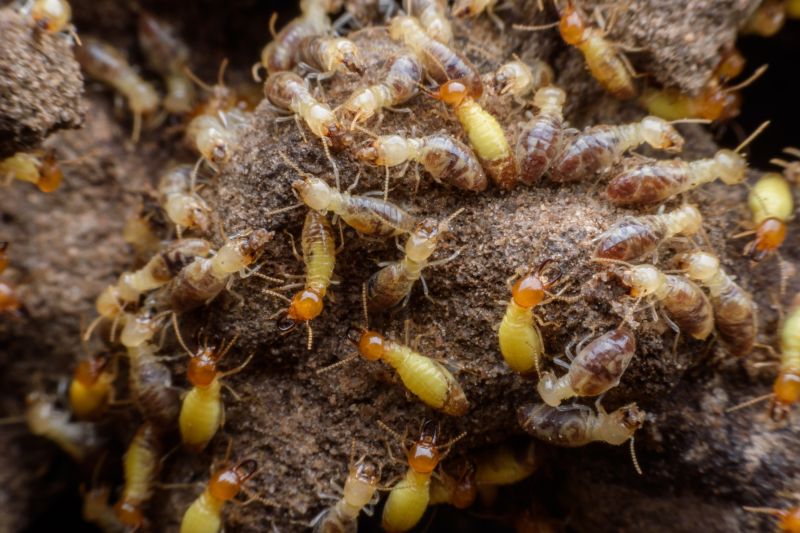
When evaluating service providers for addressing early warning signs of a termite infestation, it’s important to consider their experience with similar projects. Homeowners should look for local contractors who have a proven track record in identifying and treating termite issues in residential settings comparable to their own. An experienced pro will better understand the subtle signs of an infestation, such as damaged wood or mud tubes, and can offer insights into the most effective treatment options based on past cases. This familiarity can help ensure that the inspection and treatment processes are thorough and tailored to the specific needs of the home.
Clear communication of expectations is another key factor when comparing local service providers. Homeowners should seek out contractors who provide detailed explanations of what the inspection will involve, what signs they will look for, and what treatment methods might be recommended if an infestation is confirmed. Having a transparent understanding of the process helps set realistic expectations and reduces the chances of misunderstandings. Reputable providers will also be willing to answer questions and clarify any concerns, fostering a more confident and informed decision-making process.
Finally, reputable references and a focus on good communication can greatly influence the choice of a contractor. Homeowners are encouraged to ask for references or reviews from previous clients who had similar concerns about early warning signs of a termite infestation. Positive feedback and a history of clear, responsive communication can indicate a service provider’s professionalism and reliability. Choosing a local contractor who demonstrates these qualities can help ensure that inspections are comprehensive, explanations are clear, and treatment plans are effectively coordinated to protect the home from potential termite damage.
Property owners often search for early warning signs of a termite infestation when they are planning practical projects around their homes and businesses. Local pros provide Termite Infestation Treatment services for everyday jobs and straightforward project options.

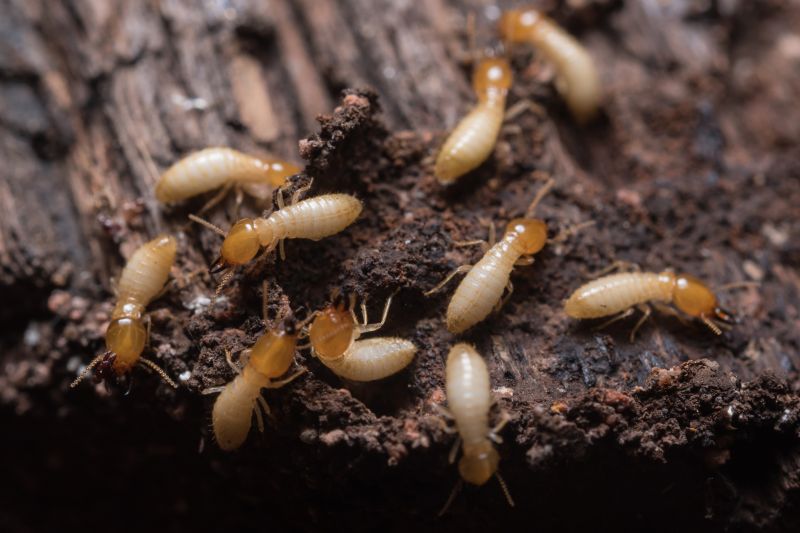
Property owners in the area often notice subtle signs that could indicate early warning signs of a termite infestation, especially during routine home projects or inspections. For example, discovering small holes or damaged wood in areas like doorframes, window sills, or furniture might prompt a closer look. Additionally, the presence of discarded wings near windows or entry points can be a sign that termites are active nearby. Recognizing these indicators early can help prevent more extensive damage and lead to timely treatment by local contractors experienced in termite management.
Homeowners engaged in regular maintenance or renovation projects may also encounter other clues, such as mud tubes along foundation walls or in crawl spaces, which serve as pathways for termites. Unexplained, hollow-sounding wood when tapped or tapped can be another warning sign. When these signs are observed, it’s advisable to seek the expertise of local service providers who specialize in termite infestation treatment. They can assess the situation and recommend appropriate solutions to address the problem effectively.
What are common early warning signs of a termite infestation? Signs include discarded wings near windows or doors, small mud tubes on walls or foundations, and damaged or hollow-sounding wood structures. Local contractors can inspect these indicators to confirm if a termite problem exists.
How can I tell if termites are damaging my home? You might notice paint that bubbles or cracks, wood that sounds hollow when tapped, or tiny holes in wood surfaces. Service providers can evaluate these symptoms to determine if termites are present.
Are there specific areas to check for termite activity? Key areas include basements, crawl spaces, wood piles, and areas where wood contacts soil. Local pros can identify high-risk zones and assess for early signs of infestation.
What should I do if I notice early signs of termites? It's advisable to contact experienced service providers who can perform a thorough inspection and recommend appropriate treatment options to address the issue promptly.
Can early signs of termites be mistaken for other problems? Yes, some signs may resemble damage from other pests or environmental factors. Professional inspections by local contractors help accurately identify termite activity and prevent further damage.
Mud tubes on exterior walls - noticing small tunnels along your foundation can indicate termite activity and prompt professional inspection.
Damaged wood or hollow-sounding structures - identifying weakened wood surfaces can help property owners decide when to seek treatment from local contractors.
Discarded wings near windows or doors - observing swarms or leftover wings can signal an ongoing infestation requiring expert intervention.
Blistered or cracked paint on wood surfaces - recognizing surface damage can alert property owners to potential termite presence and the need for treatment services.
If you are thinking about early warning signs of a termite infestation for a property, this guide is meant to help you understand this topic, the typical project types, and how different options might fit your plans.
When you are ready, you can use the quote form on this page to share a few details about your project. From there, local pros can review the basics and follow up with options that match what you have in mind.