How Termites Cause Structural Damage to Homes
To prevent and repair the structural damage caused by termites, local contractors offer effective control solutions tailored to protect your home.
Understanding how termites cause structural damage to homes is essential for property owners who want to protect their investments. These silent invaders can weaken the very foundation of a house, often going unnoticed until significant harm has occurred. Homeowners in the area might explore this topic to better recognize early signs of infestation and learn how professional termite control services can help prevent extensive damage. By staying informed, property owners can take proactive steps to safeguard their homes and ensure lasting stability.
Local contractors specializing in termite control are equipped to assess the extent of termite activity and implement effective treatment plans. They can help address issues before they lead to costly repairs by targeting the source of the infestation and reinforcing vulnerable areas. Exploring how termites cause structural damage to homes provides valuable insight into the importance of timely intervention, making it easier to connect with experienced service providers who can help protect properties from these destructive pests.
- Termite Inspection - homeowners noticing signs of termite activity can rely on local contractors to identify how termites cause structural damage to homes and assess the extent of the problem.
- Termite Treatment - when evidence of termites is found, service providers implement targeted treatments to prevent further damage caused by termites’ destructive behavior.
- Structural Repair - after termites have caused damage, local pros can handle repairs to restore weakened framing and support structures.
- Preventative Barrier Installation - homeowners seeking to stop future termite infestations can work with local contractors to establish effective barriers against how termites cause structural damage to homes.
- Moisture Management - service providers can address moisture issues that attract termites and contribute to their ability to cause damage to a home’s structure.
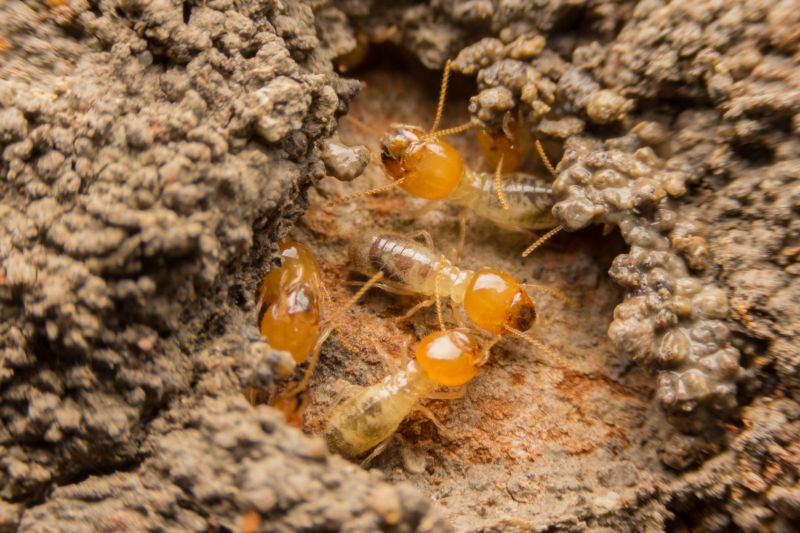
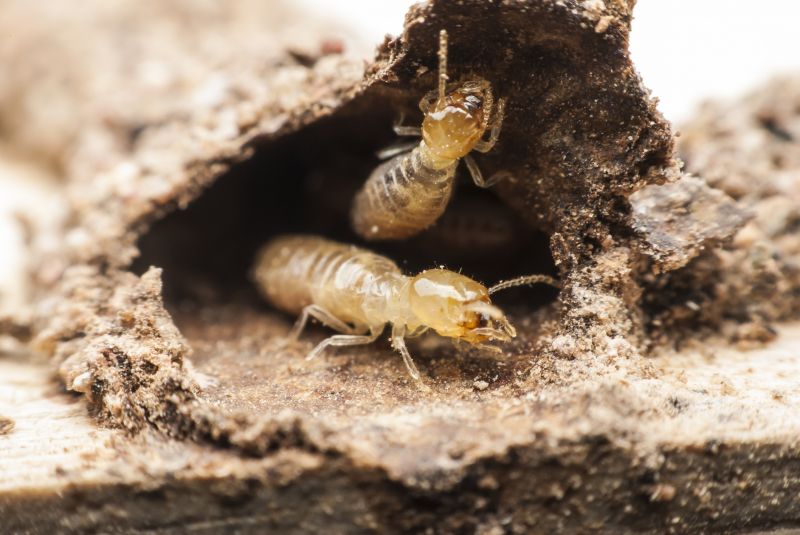
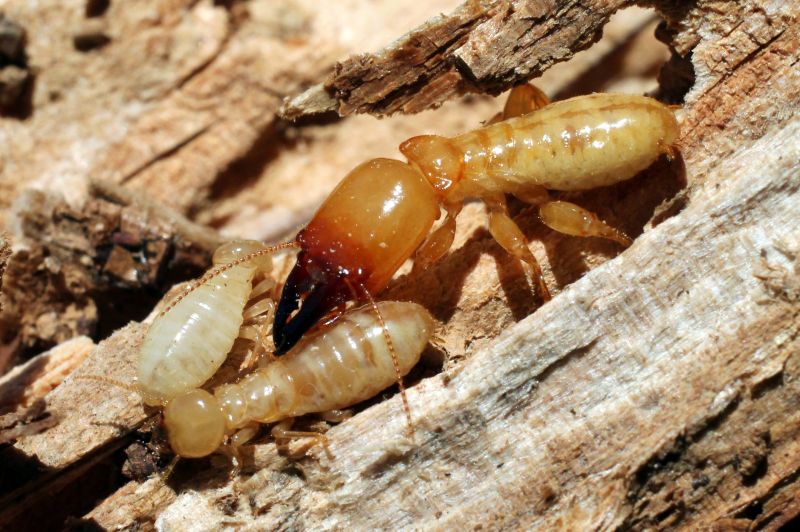
When people search for how termites cause structural damage to homes, they are often trying to understand the risks associated with termite infestations and how these pests can compromise the integrity of their property. Many homeowners are concerned about the unseen damage that termites can cause over time, especially since the signs of infestation are not always immediately visible. This search typically relates to plans for inspection, prevention, or repair projects, as owners want to identify early warning signs and understand the potential costs involved. Recognizing how termites weaken building materials helps homeowners prioritize inspections and seek professional assistance before extensive damage occurs.
The problems connected to this topic often involve structural components such as wood framing, support beams, flooring, and drywall. Termites feed on cellulose found in wood and other organic materials within a home, gradually hollowing out structural elements from the inside. This process can lead to sagging floors, cracked walls, and compromised foundations, which may threaten the safety and stability of the entire property. Homeowners planning renovations or repairs might also be concerned about termite damage as a hidden obstacle that could delay or complicate projects. Understanding the scope of damage caused by termites underscores the importance of professional inspections and targeted treatment plans.
Certain types of properties are more prone to termite damage, especially those with wooden structures or proximity to soil. Older homes with untreated wood or previous pest issues are at higher risk, as are properties located in regions where termites are common. Homes with wooden decks, porches, or fences are also vulnerable, particularly if these structures are close to the foundation or in contact with the soil. Additionally, properties with moisture problems, such as leaky pipes or poor drainage, create favorable conditions for termites to thrive. Recognizing these property types helps homeowners determine whether to prioritize inspections and to seek out experienced service providers who can identify and address termite activity effectively.
Local termite control service providers play a crucial role in preventing and mitigating damage caused by termites. They typically conduct thorough inspections to detect early signs of infestation and assess the extent of any existing damage. Based on their findings, they can recommend appropriate treatment options, such as liquid barriers, bait systems, or localized treatments, to eliminate termites and protect the structure. Engaging with local pros ensures that homeowners receive tailored solutions suited to their property’s specific needs and regional pest pressures. Proper treatment and ongoing prevention efforts by experienced contractors can significantly reduce the risk of structural damage, preserving the safety and value of the home over time.
Foundation Repair - Professionals in foundation repair address structural issues caused by termite damage that compromises a home's stability and safety.
Wood Rot Restoration - Service providers specializing in wood rot restoration work to repair and replace damaged wood affected by termite activity, preventing further deterioration.
Structural Inspection Services - Structural inspection experts evaluate homes for termite-related damage and recommend necessary repairs to maintain safety and integrity.
Pest and Termite Treatment - Pest control specialists provide treatments that target termites, helping to prevent future damage to a home's structure.
Home Siding Replacement - Siding contractors often handle damage repair when termites have compromised exterior materials, restoring the home's defenses.
Carpentry and Framing Services - Carpenters and framers repair or replace damaged framing and support structures affected by termite infestation and damage.
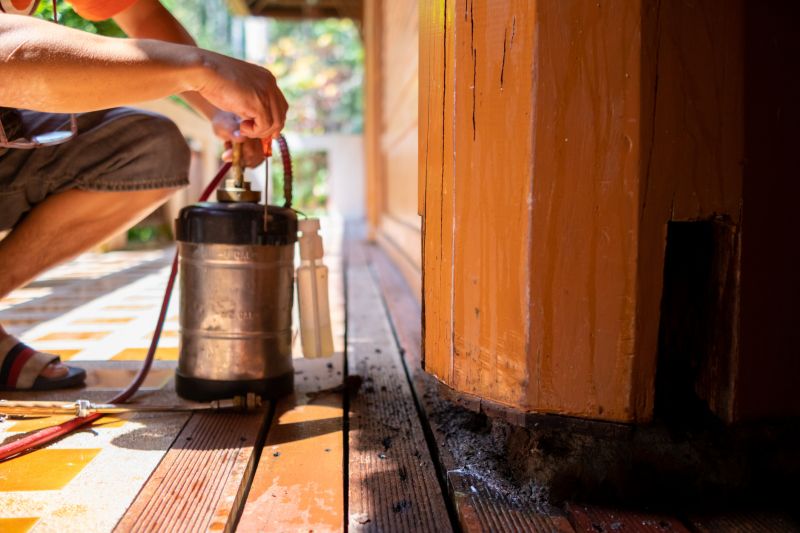
When evaluating local contractors for termite control services, it’s important to consider their experience with similar projects. Homeowners should inquire about the types of homes and termite issues they have handled in the past, especially those involving structural damage caused by termites. Contractors with a proven track record in managing these specific concerns are more likely to understand the complexities involved and provide effective solutions. Checking references or reviews can offer insights into their familiarity with addressing termite-related damage and their ability to handle the unique challenges that come with protecting a home’s structure.
Clear written expectations are essential when comparing service providers. Homeowners should seek detailed descriptions of the scope of work, including inspection procedures, treatment methods, and follow-up measures. Having a transparent plan helps ensure everyone is aligned on what the service will entail and prevents misunderstandings. Reputable local contractors often provide comprehensive estimates or proposals that outline these details, making it easier to compare options objectively and select a provider that clearly communicates their approach to preventing and mitigating damage caused by termites.
Good communication is a key factor in a successful termite control experience. Homeowners should look for service providers who are responsive and willing to answer questions thoroughly. Open dialogue allows for better understanding of how termites cause structural damage and what steps will be taken to address the problem. Reputable contractors tend to be proactive in explaining their methods, addressing concerns, and providing ongoing updates throughout the process. This level of communication helps homeowners feel more confident in the work being done and ensures that expectations are managed effectively from start to finish.
Property owners often search for how termites cause structural damage to homes when they are planning practical projects around their homes and businesses. Local pros provide Termite Control services for everyday jobs and straightforward project options.
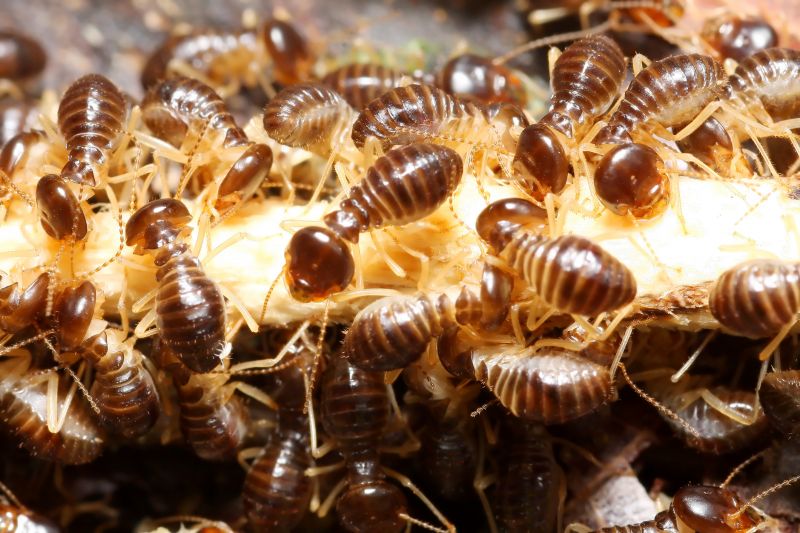
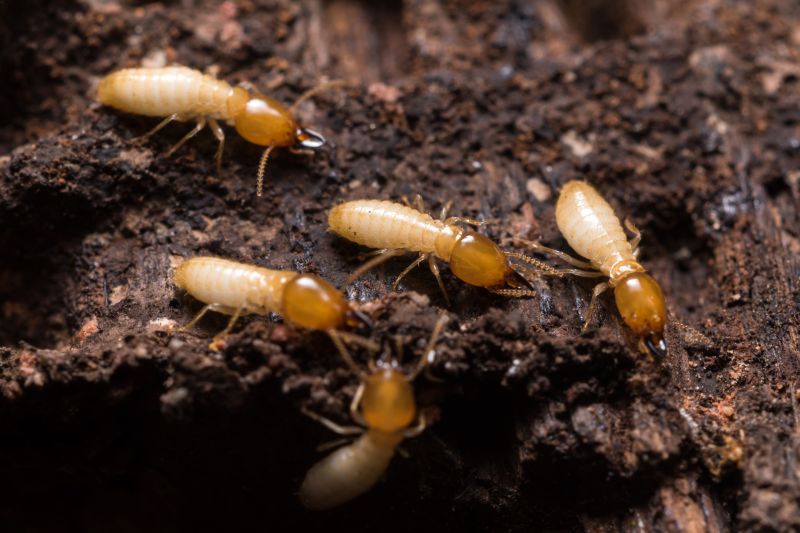
Termites can cause significant structural damage to homes by silently consuming wood and cellulose-based materials over time. Common signs of infestation include weakened wood, sagging floors, or hollow-sounding walls, which often appear during routine home inspections or maintenance projects. Homeowners in the area might look up this topic after noticing unusual damage or suspecting termites are present, prompting them to explore termite control services offered by local contractors who specialize in identifying and treating these pests.
Engaging with local service providers is a practical step for property owners concerned about termite damage. These professionals can assess the extent of the infestation and recommend appropriate treatment options to prevent further harm. Since termites typically operate out of sight, timely inspections and professional interventions are crucial to safeguarding the home’s structural integrity, making it important to connect with experienced local contractors who can handle termite control effectively.
How do termites cause damage to home structures? Termites feed on cellulose found in wood and other building materials, creating tunnels and hollowing out structural elements like beams, studs, and supports, which weakens the home's integrity over time.
What parts of a home are most vulnerable to termite damage? The most vulnerable areas include wooden foundations, door and window frames, support beams, and any areas where wood comes into contact with soil or moisture, making them prime targets for termite activity.
How can local contractors help prevent termite-related structural damage? Local service providers can perform inspections to identify termite activity early, treat infested areas, and implement preventative measures to protect the home's structural components from future damage.
What signs indicate that termites might be causing structural damage? Visible signs include mud tubes on walls or foundations, hollow-sounding wood, sagging floors, or damaged wood surfaces, which local pros can assess during inspections.
Why is it important to address termite damage promptly? Prompt action helps prevent further structural weakening, reduces repair costs, and ensures the safety and stability of the home by addressing damage caused by termites before it worsens.
Inspecting for early signs of termite activity - homeowners can learn what to look for to identify potential termite damage early and then contact local contractors for treatment.
Understanding how termites damage wood structures - property owners can use this knowledge to assess vulnerable areas and seek professional treatment from local pros.
Preventing termite entry points around the home - residents can implement simple barriers and maintenance practices while consulting local contractors for effective protection methods.
Recognizing the importance of regular inspections - homeowners can schedule routine evaluations with local service providers to catch and address termite issues before significant damage occurs.
If you are thinking about how termites cause structural damage to homes for a property, this guide is meant to help you understand this topic, the typical project types, and how different options might fit your plans.
When you are ready, you can use the quote form on this page to share a few details about your project. From there, local pros can review the basics and follow up with options that match what you have in mind.